Beautiful Plants For Your Interior
Beautiful Plants For Your Interior
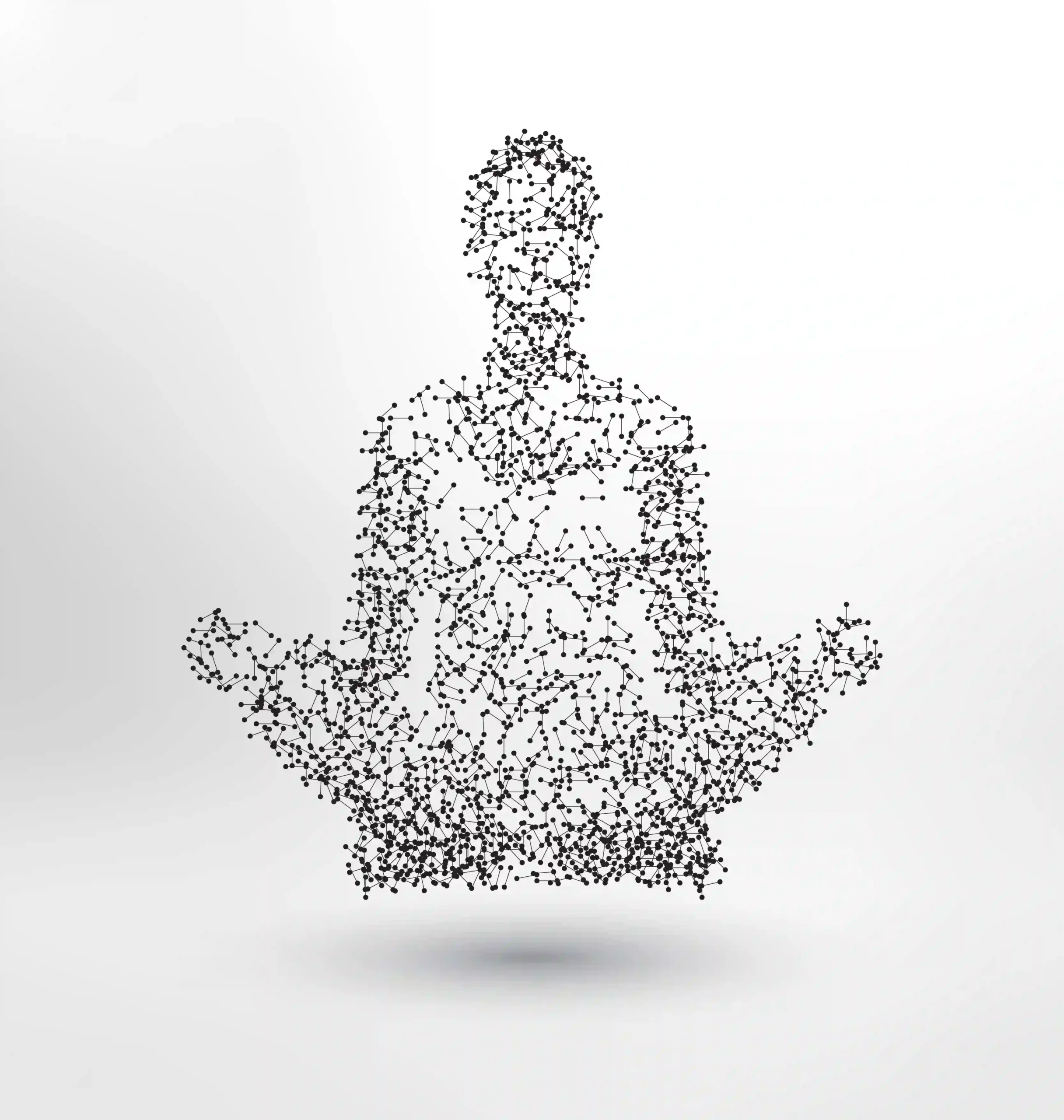
Your mind and your body are in constant conversation. Every thought you have, every emotion you feel, sends a signal that your body responds to, whether you are aware of it or not.
The mind body connection refers to the relationship between your psychological state and your physical health.
It is not a metaphor. It is biology.
When you experience stress, your body releases cortisol and adrenaline. Your heart rate rises. Your muscles tighten. Your digestion slows. All of this happens before you consciously decide how to feel.
The reverse is also true. Physical illness, chronic pain, and fatigue all have measurable effects on mood, cognition, and emotional resilience.
Psychoneuroimmunology is the branch of science that studies the links between the brain, the nervous system, and the immune system.
Research in this field shows that chronic psychological stress suppresses immune function, increases inflammation, and accelerates cellular aging. In short, what happens in your mind shows up in your body over time.
Studies also confirm that positive emotional states, like gratitude, social connection, and a sense of purpose, support immune function and reduce the risk of cardiovascular disease.
Your mental and emotional habits are not separate from your physical health. They are part of the same system.
You already experience this connection every day, often without labeling it.
These are not coincidences. They are your body communicating what your mind is processing.
Chronic stress and unresolved emotional pain do not just affect your mood. They contribute to:
Treating the physical symptom without addressing the emotional root often produces only temporary relief.
You do not need to overhaul your life. Small, consistent practices make a measurable difference.
Mindfulness trains you to notice what you are feeling in your body in real time. Even five minutes a day of focused attention on breath and physical sensation builds awareness over time.
Exercise is one of the most well-documented interventions for both mental and physical health. It reduces cortisol, releases endorphins, and improves sleep quality, all of which reinforce a healthier mind body cycle.
During sleep, your body repairs itself and your brain consolidates emotional experiences. Chronic sleep deprivation weakens the mind body connection by amplifying stress reactivity and reducing emotional regulation capacity.
Controlled breathing directly activates the parasympathetic nervous system, your body’s rest-and-repair mode. Slow, deep breaths send a signal that you are safe, which lowers cortisol and reduces physical tension.
Suppressing or avoiding difficult emotions does not make them disappear. Unprocessed emotions often find expression through the body, as chronic pain, illness, or physical tension.
Therapy, journaling, and honest conversation all support emotional processing and reduce the physical burden of unresolved stress.
Understanding the mind body connection is not just an intellectual exercise. It is a practical framework for making better decisions about your health.
When you recognize that your emotional state directly affects your physical health, you stop treating them as separate priorities.
You exercise not just for your body, but for your mind. You address stress not just to feel better today, but to protect your health years from now. You invest in therapy or mindfulness not as a luxury, but as essential maintenance.
Your body sends signals constantly. The question is whether you are paying attention.
Build the habit of checking in with yourself, physically and emotionally, every day. The more fluent you become in that internal language, the more effectively you can care for your whole health.
Your mind and body are already working together. Your job is to support that partnership.